How to Monitor Your Blood Sugar Levels Every Day
Managing your blood sugar isn’t just about numbers — it’s about understanding your body, building consistent habits, and making informed decisions every day. Whether you’re living with diabetes or simply trying to stay on top of your health, daily monitoring can help you feel more in control and prevent long-term complications.
Why Daily Monitoring Matters
Blood sugar levels fluctuate throughout the day based on what you eat, how active you are, your stress levels, and even how well you sleep. Regular monitoring helps you:
- Understand how your body reacts to different foods
- Prevent dangerous spikes or drops
- Adjust medication or insulin if needed
- Build better daily habits
- Reduce the risk of long-term complications
Consistency is more important than perfection. Even small insights, tracked daily, add up to meaningful progress.
Methods of Monitoring Blood Sugar
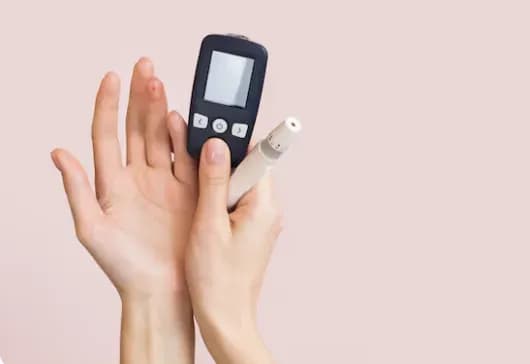
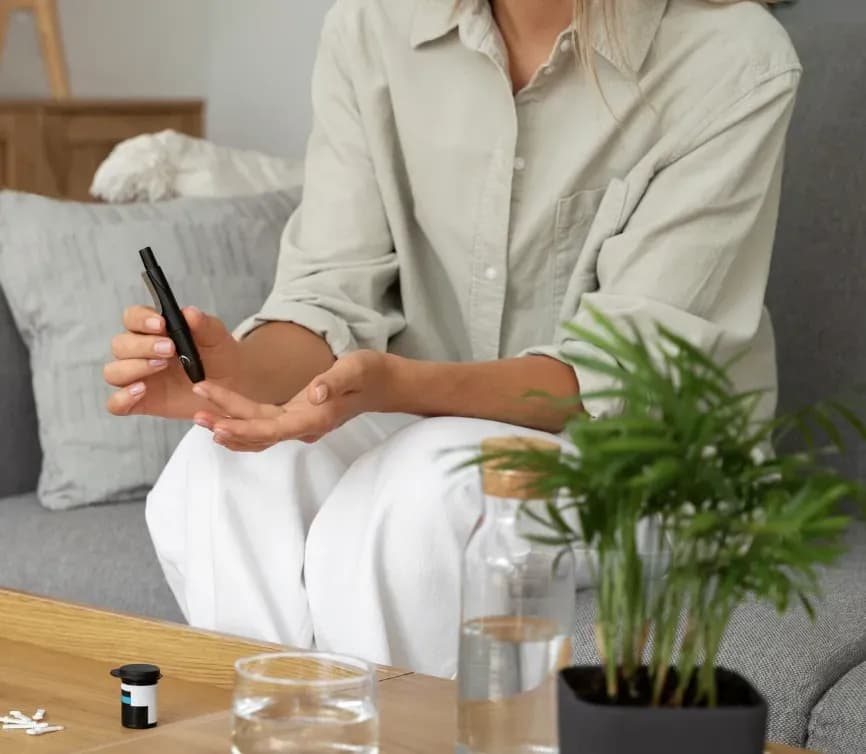
1. Glucometer (Fingerstick Testing)
This is the most common method. You use a small device to measure blood sugar from a drop of blood, usually from your fingertip.
Best for:
- Quick checks during the day
- Before and after meals
- Tracking patterns over time
Tip: Try to test at the same times each day to build a consistent routine.
2. Continuous Glucose Monitor (CGM)
A CGM uses a small sensor placed under your skin to track glucose levels continuously throughout the day and night.
Benefits:
Real-time data
Alerts for high and low levels
Better understanding of trends
Tip: Focus on trends, not just individual readings. Patterns tell the real story.
3. Smart Apps & Digital Tracking
Mobile apps help you log your glucose levels, meals, activity, and even mood.
What to track:
Blood sugar readings
Meals and snacks
Physical activity
Sleep
Stress levels
This creates a full picture of your health, not just isolated numbers.
When Should You Check Your Blood Sugar?
Your schedule depends on your lifestyle and medical advice, but a common routine includes:
Morning (fasting): Understand baseline levels
Before meals: Helps guide food choices
1–2 hours after meals: See how food affects you
Before bed: Ensure stable overnight levels
If you're using insulin or have frequent fluctuations, you may need to check more often.
What Are Healthy Blood Sugar Levels?
Target ranges vary, but general guidelines are:
Fasting: 70–100 mg/dL (3.9–5.6 mmol/L)
Before meals: 70–130 mg/dL (3.9–7.2 mmol/L)
After meals: Less than 180 mg/dL (10 mmol/L)
Always follow your doctor’s recommendations, as your personal targets may differ.
Tips for Staying Consistent
Build It Into Your Routine
Attach testing to habits you already have — like meals or brushing your teeth.
Use Reminders
Set notifications so you don’t forget. Over time, it becomes automatic.
Don’t Obsess Over One Number
A single reading doesn’t define your health. Look for patterns instead.
Learn From Your Data
Ask questions like:
“What did I eat before this spike?”
“Did I sleep poorly?”
“Was I stressed?”
Your data becomes your guide.
Common Mistakes to Avoid
Skipping checks when you feel “fine”
Ignoring trends and focusing only on single readings
Not logging meals or activity
Overcorrecting small fluctuations
Monitoring is about awareness, not control perfection.
Turning Data Into Better Decisions
Tracking your blood sugar is only useful if you act on it. Over time, you’ll start noticing patterns:
Certain foods cause spikes
Exercise lowers your levels
Stress impacts your glucose
Use these insights to adjust your daily habits — that’s where real progress happens.
Final Thoughts
Monitoring your blood sugar every day doesn’t have to feel overwhelming. Start simple, stay consistent, and focus on learning about your body. The goal isn’t to be perfect — it’s to be informed.
Small daily actions lead to long-term health. And the more you understand your numbers, the more confident you’ll feel managing them.